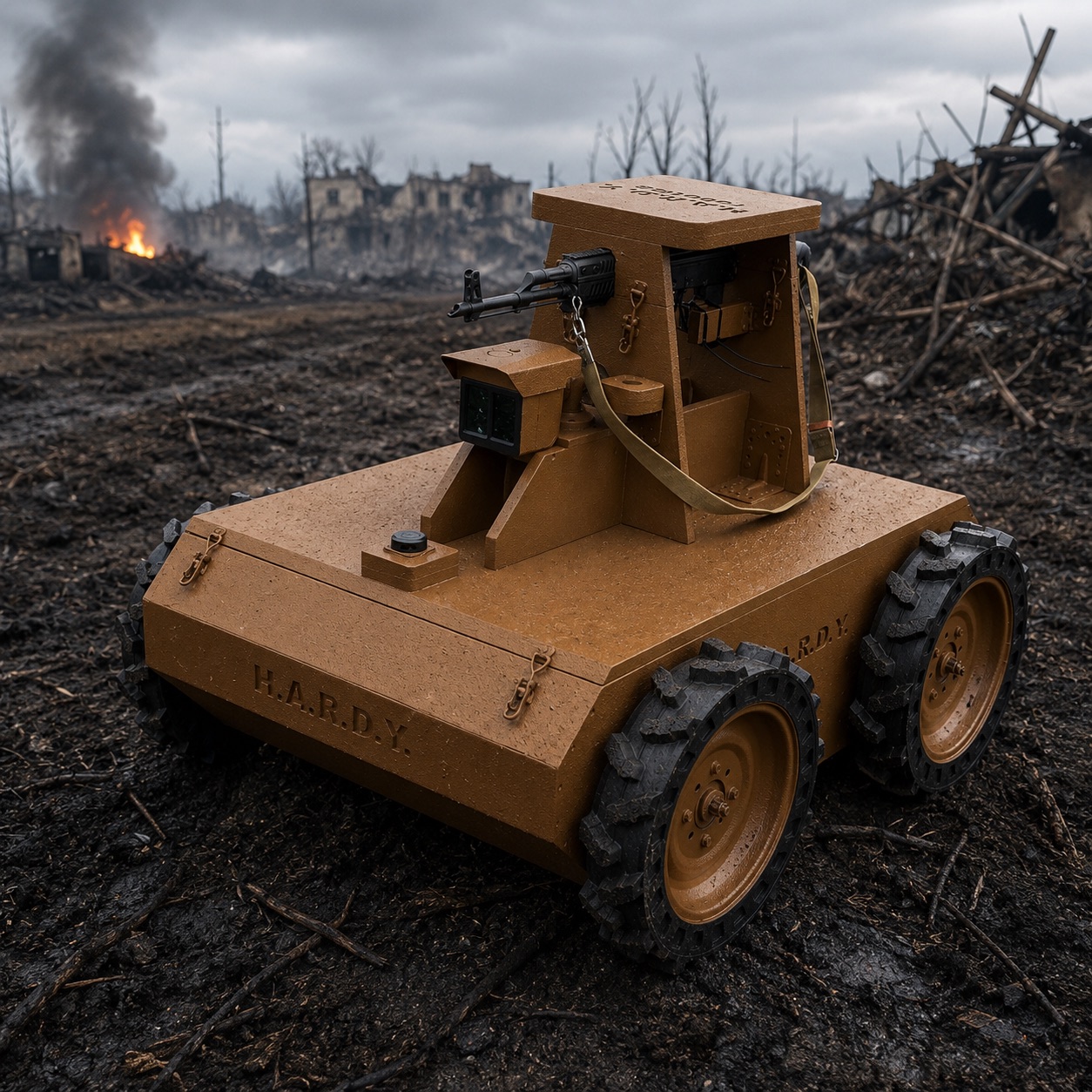
An ISR UGV moves sensing, energy and computation into an environment where direct human presence creates unacceptable exposure. Utility depends on the complete cycle: route execution, observation, data delivery, operator control and return.
Mission value
Ground observation faces different constraints from airborne sensing: surface contact, line of sight, obstacles, energy demand and communication quality. The sensor package and mobility system therefore need to be engineered together.
The HARDY solution
HARDY treats waypoint movement, obstacle handling and safe return as separate functions that must be validated for a known configuration. People remain responsible for command and interpretation.
What the user gains
Evidence must cover the complete sensing cycle rather than one component demonstration.
data quality under defined conditions and sensor positions;
platform behaviour on route and during degraded functions;
operating time, event logs and repeatable return.
Products and training
Platforms and sensors for ISR
ARGUS provides the mobile foundation, while optical, thermal and control modules create a complete sensor path.
Recommended products
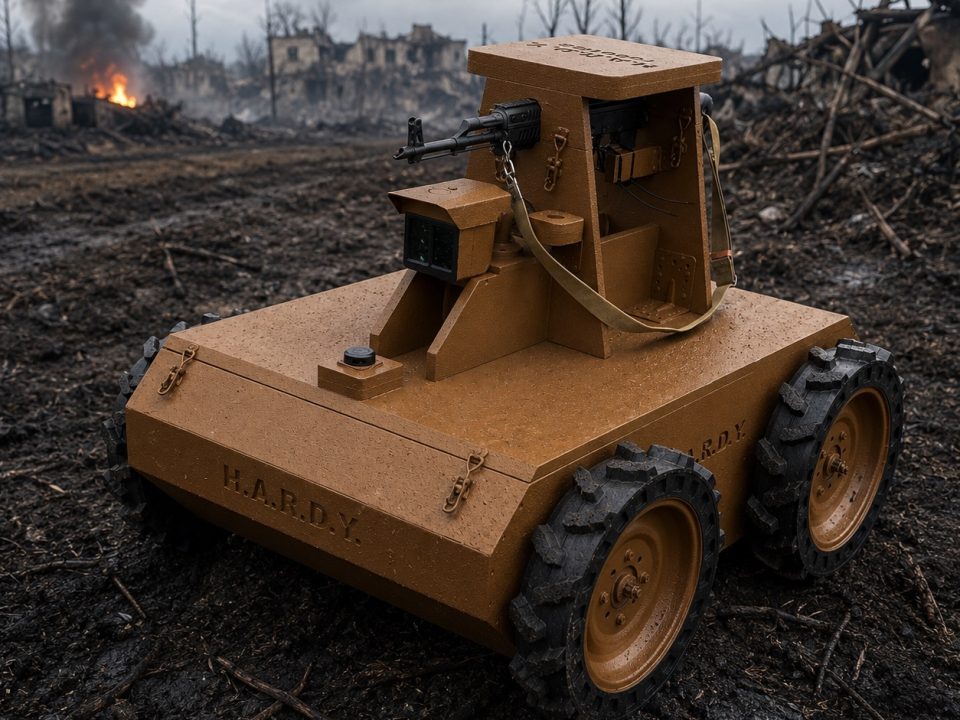
HARDY ARGUS
Heavy modular UGV for ISR, logistics, route missions and remotely controlled mission payloads.
200 000 ₴Product details →
HARDY EYE Optical
Optical observation node with local processing, power and defined station integration.
Product details →
HARDY Thermal Node
Thermal observation node for event monitoring in reduced visibility.
Product details →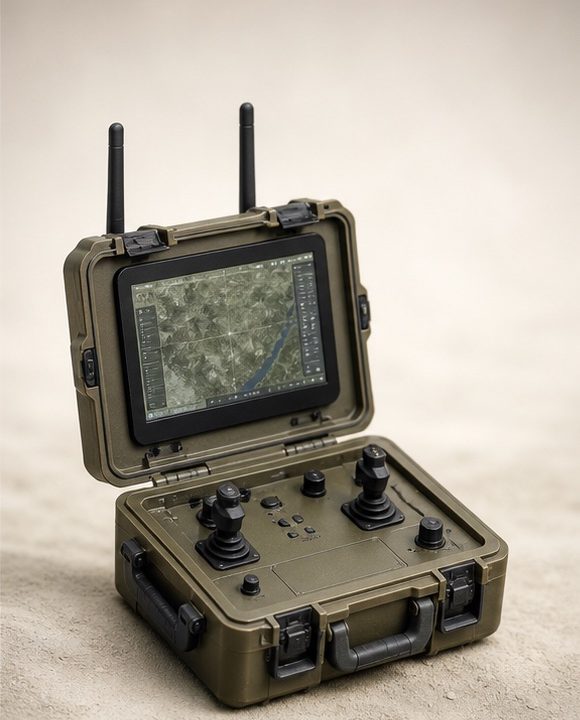
HARDY GCS COMPACT
Portable single-operator control station for one platform or a small sensor group.
Product details →Available configurations
Optical observation
Camera module, power, mounting and image transmission.
Thermal channel
Thermal observation as a complement to daylight optics.
Operator loop
Control station, telemetry, event log and operator preparation.
Recommended training
Sensor Systems Fundamentals
Event types, node installation, power, false alarms and work with HARDY SIGNAL.
3 200 ₴Course details →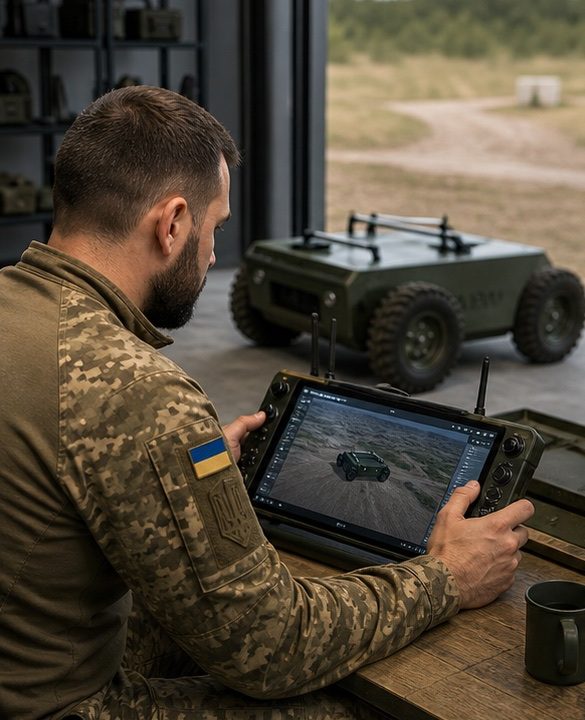
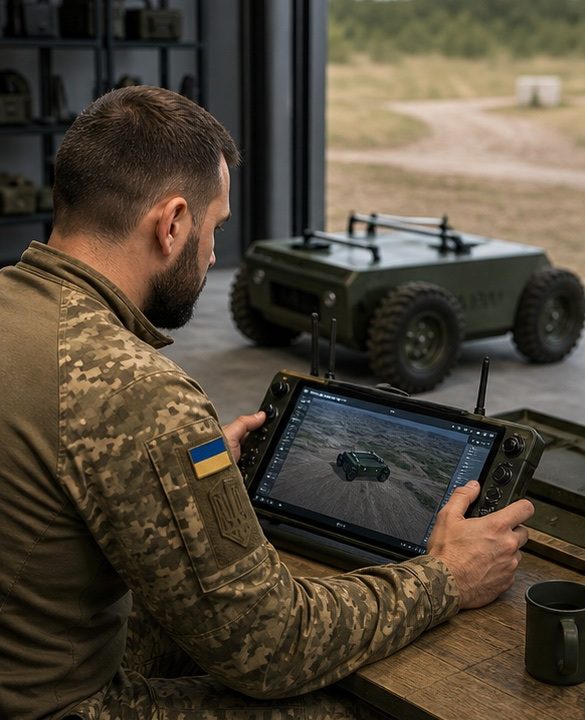
UGV Operator Fundamentals
Онлайн-курс оператора НРК: 10 модулів і 40 уроків про будову системи, підготовку, безпеку, навчальні завдання та перевірку результатів. Власний темп, тести й робочі матеріали.
2 400 ₴Course details →Next step
Choose a ready offer or send a technical brief.
For a ready solution, we will confirm the package, quantity and delivery path. For a different task, we will review the brief and propose the next engineering step.