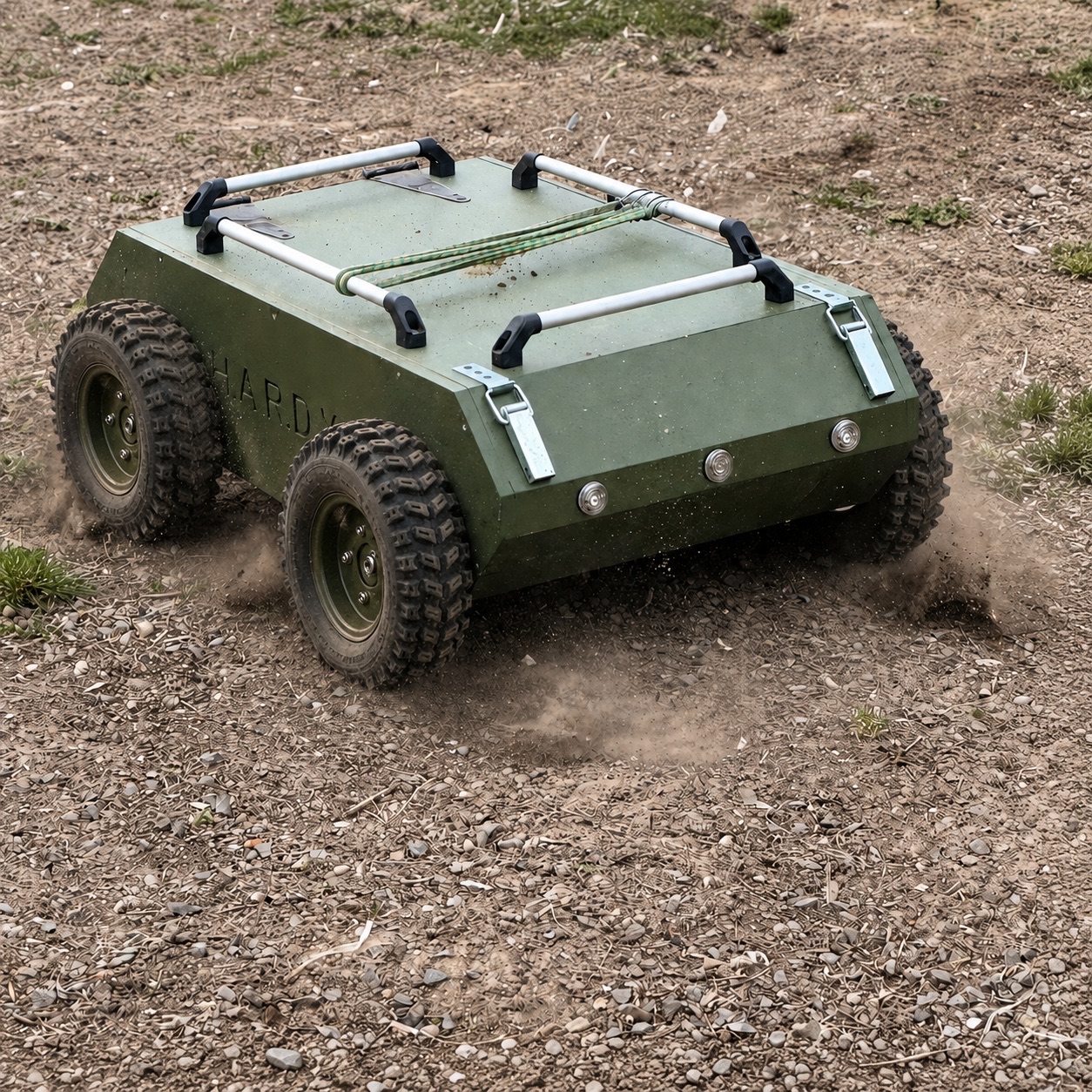
A tactical logistics UGV creates value when it removes a repeatable hazardous supply route from people. Payload capacity is only one parameter; mobility, cycle time, controllability, service access and reliable return also determine mission value.
Mission value
The last tactical mile combines irregular terrain, degraded communications, changing loads and limited maintenance time. A useful requirement therefore defines the route, load geometry, mission frequency and acceptance criterion instead of using the word “delivery” alone.
The HARDY solution
HARDY starts with the transport cycle and adds only the sensors, autonomous functions and mounting provisions required by the mission. This keeps the base configuration understandable and leaves clear space for partner payloads.
What the user gains
A logistics configuration should be assessed through reproducible tests.
route, surface, slope and measured payload;
complete cycle time and remaining energy;
load stability, loading workflow and service access.
Products and training
Ready logistics solutions
Choose a platform by load, route and budget. Each product page provides images, public base price, package and delivery request.
Recommended products
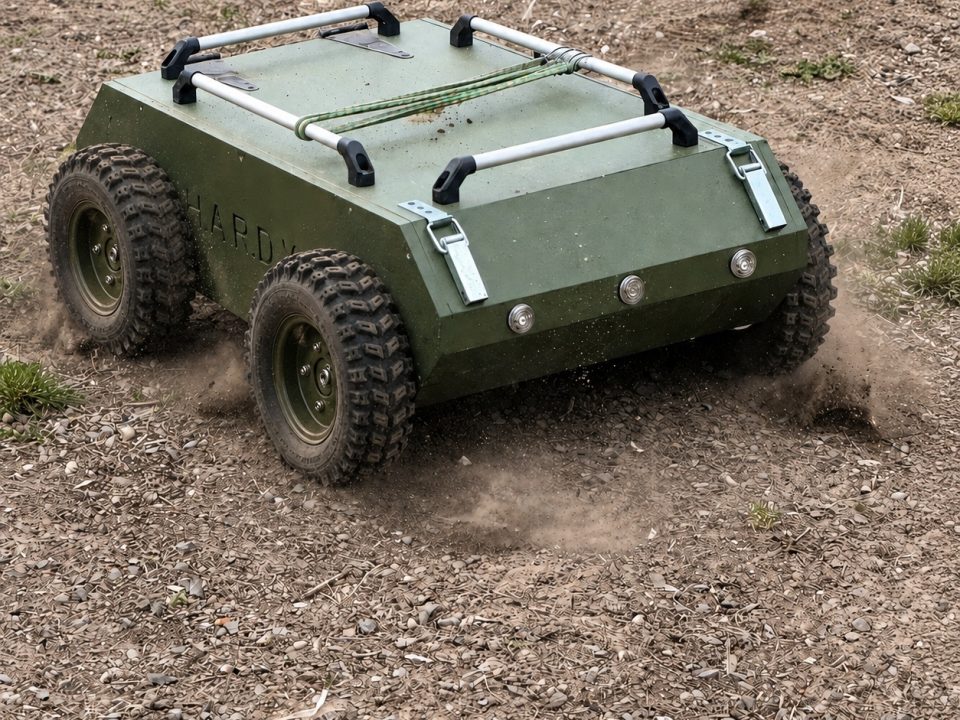
HARDY MUL
Compact logistics UGV for routine delivery and first-pass route risk reduction before personnel move.
80 000 ₴Product details →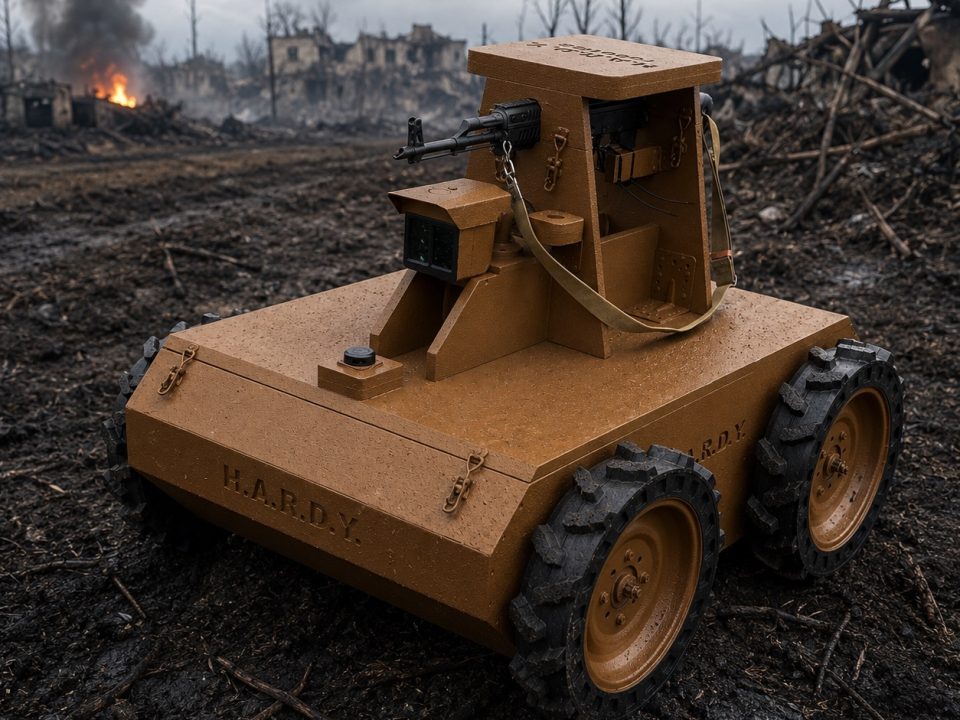
HARDY ARGUS
Heavy modular UGV for ISR, logistics, route missions and remotely controlled mission payloads.
200 000 ₴Product details →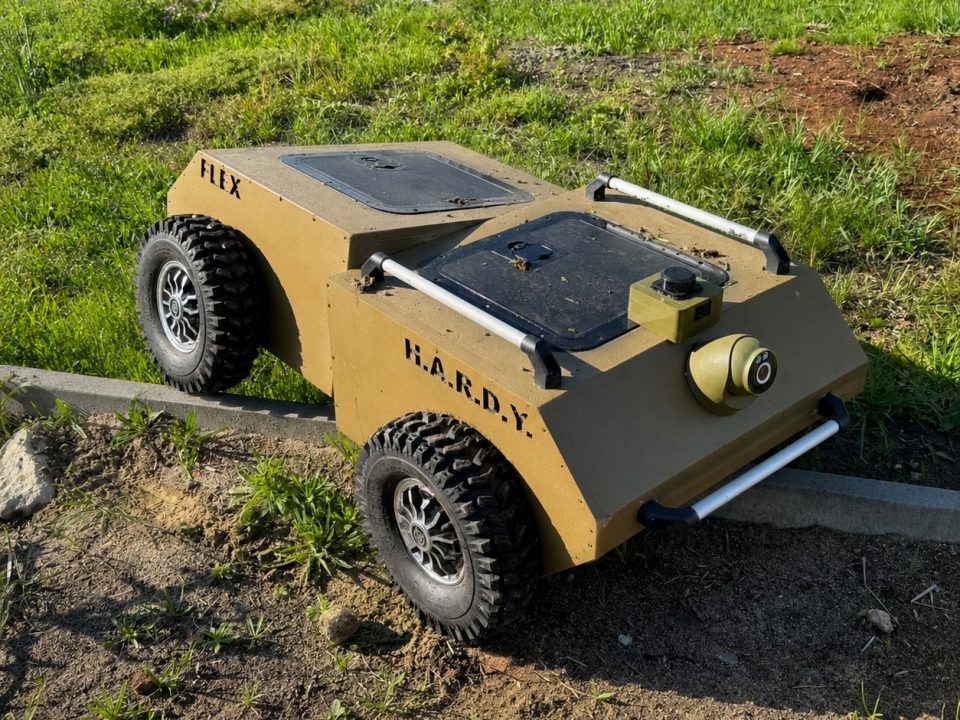
HARDY FLEX
Articulated high-mobility UGV for difficult terrain, mission-load delivery and specialist roles.
160 000 ₴Product details →Available configurations
Cargo package
Platform and restraint system for supplies, water, batteries and equipment.
Energy package
Primary and reserve battery, charging and energy monitoring.
Control package
Controller, command link, emergency stop and mission checklist.
Recommended training
UGV Operator Fundamentals
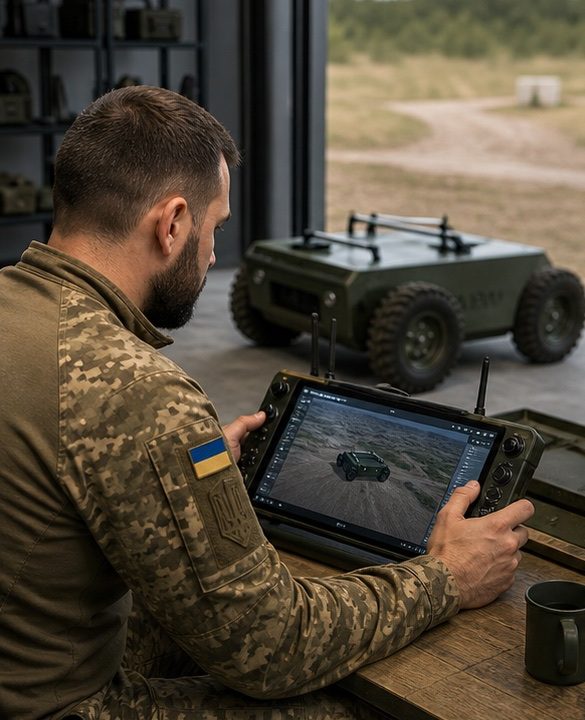
Онлайн-курс оператора НРК: 10 модулів і 40 уроків про будову системи, підготовку, безпеку, навчальні завдання та перевірку результатів. Власний темп, тести й робочі матеріали.
2 400 ₴Course details →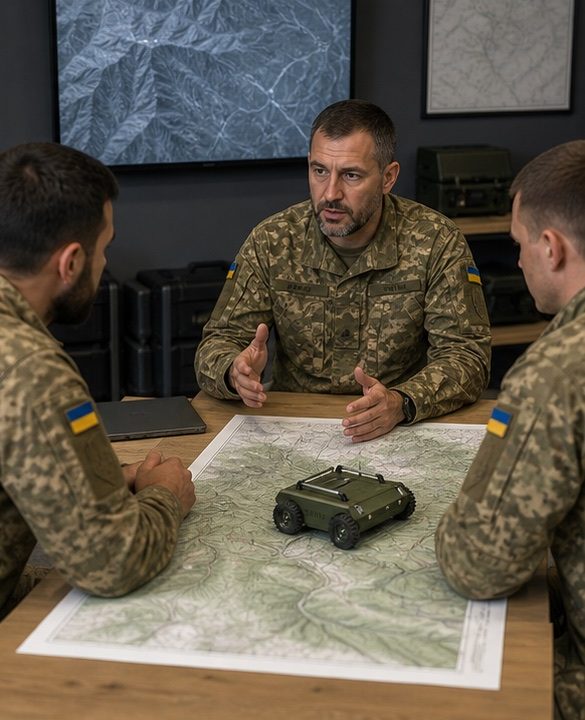
UGV Mission Planning
Turn a task into a route, roles, success criteria, contingencies and an after-action review.
3 200 ₴Course details →Next step
Choose a ready offer or send a technical brief.
For a ready solution, we will confirm the package, quantity and delivery path. For a different task, we will review the brief and propose the next engineering step.
Current platform / LOGISTICS
HARDY INCOGNITO
Open cargo deck, thermal camera, 4 kW total nominal drive power, plus Starlink, LTE and LRS channels in the agreed logistics configuration.